

Why Nurses Sleep Worse in Winter and Evidence-Based Ways to Fix It
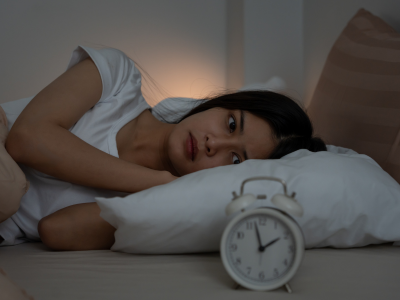
Many nurses notice that their sleep worsens as winter approaches. Shorter days, longer nights, colder temperatures, and increased workplace stress all contribute to disrupted sleep patterns. For registered nurses—especially those working night shifts or rotating schedules—winter can amplify existing sleep challenges.
Poor sleep is not just an inconvenience. For nurses, sleep deprivation affects clinical judgment, emotional resilience, immune function, and patient safety. Understanding why nurses sleep worse in winter and learning evidence-based ways to fix it is essential for long-term health and professional performance.
Why Winter Disrupts Sleep
Reduced Daylight and Circadian Rhythm Disruption
Human sleep is regulated by the circadian rhythm, which relies heavily on exposure to natural light. During winter months, reduced daylight leads to increased melatonin production and decreased serotonin levels, making it harder to feel alert during the day and easier to feel fatigued or low in mood.
For nurses working night shifts or rotating schedules, circadian rhythm disruption is already common. Winter darkness compounds this issue, making sleep-wake cycles even more difficult to regulate.
Cold Weather and Sleep Physiology
Sleep quality depends on the body’s ability to lower its core temperature. While a cooler environment supports sleep onset, excessively cold bedrooms—or fluctuating indoor temperatures due to heating systems—can cause nighttime awakenings.
Dry winter air can also irritate nasal passages and worsen snoring or sleep apnea symptoms, further disrupting sleep.
Increased Workload and Seasonal Stress for Nurses
Winter often brings higher patient volumes, increased respiratory illnesses, and staffing shortages. Nurses may work longer hours, pick up extra shifts, or experience higher emotional demands. This cumulative stress elevates cortisol levels, making it harder to fall and stay asleep.
Vitamin D Deficiency and Mood Changes
Limited sun exposure contributes to vitamin D deficiency, which has been linked to poor sleep quality, fatigue, and mood disorders. Seasonal affective disorder (SAD) is more common in winter and can significantly affect nurses already managing high-stress roles.
Why Poor Winter Sleep Is Riskier for Nurses
Sleep deprivation in nurses is associated with slower reaction times, impaired decision-making, increased medication errors, and higher rates of workplace injury. Chronic poor sleep also contributes to burnout, compassion fatigue, weakened immunity, and mental health challenges.
In winter, when workloads increase and illness risk is higher, prioritizing sleep becomes even more critical for nurse health and patient safety.
“Poor sleep is not just an inconvenience. For nurses, sleep deprivation affects clinical judgment, emotional resilience, immune function, and patient safety.”
Evidence-Based Ways Nurses Can Improve Sleep in Winter
Optimize Light Exposure
Morning light exposure is one of the most effective ways to support circadian rhythm alignment. Nurses working day shifts should aim for at least 20–30 minutes of bright natural light early in the day. For night shift nurses, light therapy boxes can help simulate daylight and improve alertness.
Equally important is limiting blue light exposure before sleep. Wearing blue light–blocking glasses after night shifts and reducing screen time before bed can improve melatonin release.
Create a Winter-Friendly Sleep Environment
The ideal sleep environment is cool, dark, and quiet. Aim for a bedroom temperature between 60–67°F (15–19°C). Use layered bedding to adjust warmth without overheating.
Humidifiers can reduce dry air irritation, while blackout curtains and white noise machines help block environmental disruptions—especially for nurses sleeping during daylight hours.
Support Circadian Health with Nutrition and Supplements
Vitamin D supplementation may benefit nurses with limited sun exposure, though levels should ideally be checked by a healthcare provider. Magnesium has evidence supporting improved sleep quality and muscle relaxation.
Caffeine timing is especially important in winter, when fatigue increases. Avoid caffeine within 6–8 hours of planned sleep, even on days off.
Adjust Sleep Strategies for Shift Work
Consistency matters more than perfection. Maintaining a similar sleep schedule on workdays and days off can reduce circadian misalignment. Strategic naps (20–90 minutes) before night shifts can improve alertness without impairing post-shift sleep.
Pre-sleep routines—such as warm showers, stretching, or reading—signal the body that it’s time to rest, regardless of the season.
Manage Stress and Mental Health
Mindfulness practices, deep breathing, and short decompression rituals after shifts can lower cortisol levels. Journaling or guided relaxation exercises may help transition from work stress to rest.
If symptoms of depression, anxiety, or seasonal affective disorder (SAD) persist, professional support should be sought early.
When Sleep Problems Signal a Bigger Issue
Chronic insomnia, excessive daytime sleepiness, or mood changes lasting longer than a few weeks may indicate underlying sleep disorders, depression, or anxiety. Occupational health services, primary care providers, or sleep specialists can offer targeted evaluation and treatment.
Winter sleep challenges are common among nurses—but they are not inevitable. By understanding how seasonal changes affect circadian rhythm, stress levels, and physiology, nurses can implement evidence-based strategies to protect their sleep.
Small adjustments in light exposure, sleep environment, nutrition, and routines can lead to meaningful improvements in rest, resilience, and overall well-being during the winter months.
FAQ: Nurses Ask
1. Why does winter seem to worsen sleep problems for nurses more than other seasons?
Reduced daylight disrupts circadian rhythms, while increased workloads, stress, and vitamin D deficiency common in winter further impair sleep quality—especially for nurses working shifts.
2. What is the most effective evidence-based strategy nurses can use to improve winter sleep?
Optimizing light exposure—using morning sunlight or light therapy and minimizing blue light before sleep—has strong evidence for improving circadian alignment and sleep quality.
3. When should a nurse seek professional help for ongoing sleep problems?
If poor sleep lasts more than a few weeks, affects mood or job performance, or includes symptoms of depression, anxiety, or excessive daytime sleepiness, professional evaluation is recommended.
References
Abboud, M. (2022). Vitamin D supplementation and sleep: A systematic review and meta-analysis of Intervention studies. Nutrients, 14(5), 1076. https://doi.org/10.3390/nu14051076
Desai, D., Momin, A., Hirpara, P., Jha, H., Thaker, R., & Patel, J. (2024). Exploring the role of circadian rhythms in sleep and recovery: A review article.Cureus, 16(6), e61568. https://doi.org/10.7759/cureus.61568
Kalmbach, D. A., Anderson, J. R., & Drake, C. L. (2018). The impact of stress on sleep: Pathogenic sleep reactivity as a vulnerability to insomnia and circadian disorders. Journal of Sleep Research, 27(6), e12710. https://doi.org/10.1111/jsr.12710

Leslie Catalano, DNP, RN
Leslie Catalano, DNP, RN, has been a registered nurse since 2005 and spent many years as a travel nurse. She has a Doctorate in Nursing Practice and works at an Associates Degree Nursing Program at her local community college. Along with her passion for nursing and teaching, she loves writing on a variety of nursing topics, including travel nursing, educational modules, and more.
Latest Articles
- What Nurses Should Know About Adult ADHD
- Things That Go Bump on Night Shift: Nurses Share Their Spookiest Hospital Stories
- You Matter: A Reflection for National Suicide Prevention Month
- Diagnostic Error in Healthcare: Why It Happens and How to Prevent It
- Documentation That Protects Your License
Featured Course

Talking About Suicide: New Language from Social Media and Current Guidelines N598
Free Course

Drug Diversion Training
Most Popular
Unlimited
- Perfect for RNs, LPNs, and LVNs
- A full year of unlimited CE
- Save over $150*
- Instant access to all courses
- Instant access to certificates
- CE Broker reporting included
- Take CE on any device
- No tests required in most states1
$59.00 / yearAdd to Cart
Join Our Mailing List
Get news, perspectives, special offers, new course alerts, and renewal date reminders straight to your inbox. Join our mailing list to stay up to date on what’s happening at NurseCE4Less and make sure you never miss a deadline!