What Nurses Need to Know About Psychedelic Microdosing
Psychedelic microdosing has gained popularity in recent years as a potential tool for improving mood, enhancing focus, and supporting emotional healing. While once associated primarily with counterculture movements, psychedelics like LSD and psilocybin are now being explored for therapeutic use – especially in microdoses that avoid hallucinations or intoxication.
For nurses working in mental health, psychiatry, trauma care, or even primary care, understanding the growing interest in psychedelic microdosing is essential. Patients are asking about it, research is expanding, and CEUs are now available to help nurses stay informed.
How Psychedelic Microdosing Affects the Brain
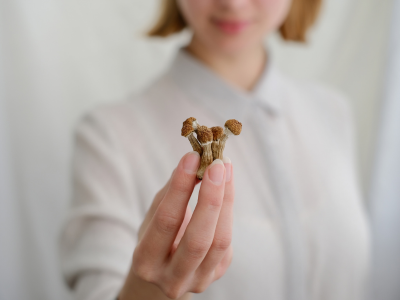
Psychedelic microdosing involves taking a very small, sub-perceptual dose of a psychedelic substance, typically one-tenth to one-twentieth of a recreational dose. The most commonly used drugs for microdosing include lysergic acid diethylamide (LSD) and psilocybin, the active compound in “magic mushrooms.”
These substances work primarily through serotonin receptors, particularly the 5-HT2A receptor, which is involved in mood regulation, cognition, and perception. Even at microdoses, psychedelics appear to stimulate neuroplasticity, the brain’s ability to form new neural connections, which may help explain the reported improvements in mood, focus, and creativity.
Because these doses are so small, users generally do not experience vivid hallucinations or major distortions in perception. Instead, many report subtle benefits like enhanced emotional balance, reduced anxiety, and improved clarity.
“Advocates of psychedelic microdosing often claim improvements in mood, energy, creativity, and emotional resilience. Some studies support these claims, particularly in populations with depression, PTSD, or anxiety. However, risks remain.”
Most Common Drugs Used in Psychedelic Microdosing
While LSD and psilocybin are the most frequently used substances in microdosing protocols, they’re not the only ones. Dimethyltryptxamine (DMT), mescaline, and peyote are other classic psychedelics sometimes included, though less commonly. Non-psychedelic substances like ketamine or even cannabis have also been used in microdose amounts, though their classification and mechanisms differ.
Each drug has a different chemical structure but generally affects serotonin, glutamate, or dopamine pathways. Nurses should be aware that individual responses to these substances vary. One person may feel alert and calm; another may feel distracted or emotionally sensitive. This variability is part of what makes standardized microdosing protocols difficult to define.
Benefits and Risks of Psychedelic Microdosing
Advocates of psychedelic microdosing often claim improvements in mood, energy, creativity, and emotional resilience. Some studies support these claims, particularly in populations with depression, PTSD, or anxiety. For example, small clinical trials and observational studies suggest that microdosing psilocybin may lead to improved emotional regulation and reduced rumination in patients with depression.
However, risks remain. Psychedelics are still classified as Schedule I substances at the federal level in the United States, meaning possession, distribution, and use are illegal in most cases. While some cities and states have decriminalized or approved psychedelics for therapeutic use, these changes are recent and uneven across jurisdictions.
In addition to legal concerns, there are medical risks. For individuals with a personal or family history of psychosis, microdosing may increase the risk of destabilization. There’s also the possibility of serotonin syndrome when combined with SSRIs or other serotonergic drugs. Dosing inconsistency, lack of regulation, and unclear long-term effects are further concerns.
Microdosing in Therapy and Mental Health Settings
One area of growing interest is the integration of psychedelic microdosing with therapy. While traditional psychedelic-assisted therapy involves larger doses under supervision, microdosing may support long-term therapeutic goals by creating greater emotional openness or easing resistance during talk therapy.
Some clinicians report that patients using microdoses outside clinical settings come to therapy sessions more emotionally available and reflective. Others are wary of encouraging unregulated use, especially without a standardized dosing protocol or medical oversight.
At this time, microdosing is not FDA-approved, and clinical guidance is limited. Nurses working in mental health or substance use care should approach the topic with caution, but also curiosity. Patients may not disclose their use unless they feel safe and understood. An informed nurse can help guide conversations that balance education, non-judgment, and harm reduction.
Frequently Asked Questions About Psychedelic Microdosing
1. What is psychedelic microdosing, and how is it different from full-dose psychedelic use?
Microdosing involves taking very small doses (sub-perceptual) of a psychedelic, typically LSD or psilocybin. Unlike full-dose use, microdosing does not cause hallucinations or dramatic perceptual changes.
2. Is there evidence supporting the benefits of psychedelic microdosing?
Some preliminary studies and anecdotal reports suggest improvements in mood, focus, and emotional regulation. However, large-scale clinical trials are still limited.
3. Is psychedelic microdosing legal?
In most places in the U.S., psychedelics remain illegal at the federal level. A few jurisdictions have decriminalized or approved them for medical use, but legality varies by location.
4. Are there risks involved with microdosing?
Yes. Risks include legal consequences, psychological destabilization in vulnerable individuals, drug interactions, and lack of dosing regulation.
5. Can nurses take a CEU course on psychedelic microdosing?
Yes. There is now a continuing education course available specifically for nurses interested in learning more about this emerging topic.
Where to Learn More About Psychedelic Microdosing
To dive deeper into the science, policy, and clinical considerations around psychedelic microdosing, explore these resources:
- Multidisciplinary Association for Psychedelic Studies (MAPS)
- National Institute of Mental Health – Research on Depression and Mood Disorders
- PubMed – Psychedelic Microdosing Research
Take the CEU Course on Psychedelic Microdosing
For nurses interested in professional-level education on this topic, you can now complete a CEU course covering:
- Pharmacology of psychedelics
- Clinical implications and safety
- Cultural, ethical, and legal frameworks
- Patient education and communication strategies
👉 Enroll in the Psychedelic Microdosing CEU Course Here
This course is ideal for nurses in behavioral health, community care, trauma recovery, and anyone interested in how emerging therapies may intersect with traditional care.
Psychedelic microdosing remains a developing field. Nurses who understand its potential and limitations are better equipped to educate, support, and advocate for patients exploring new options for healing.
References
Cameron, Lindsay, Nazarian, Angela, & Olson, David. “Psychedelic Microdosing: Prevalence and Subjective Effects.” Journal of Psychoactive Drugs 52, no. 2 (2020): 113-122. https://www.tandfonline.com/doi/full/10.1080/02791072.2020.1718250
Kaertner, L. S., Steinborn, M. B., Kettner, H., Spriggs, M. J., Roseman, L., Buchborn, T., Balaet, M., Timmermann, C., Erritzoe, D., & Carhart-Harris, R. L. “Positive expectations predict improved mental-health outcomes linked to psychedelic microdosing.” Scientific Reports 11 no. 1941 (2021). https://www.nature.com/articles/s41598-021-81446-7
Petranker, Rotem, Anderson, Thomas, Maier, Larissa, Barratt, Monica, Ferris, Jason & Winstock, Adam. “Microdosing psychedelics: Subjective benefits and challenges, substance testing behavior, and the relevance of intention.” Journal of Psychopharmacology 36 no. 1 (2020): 85-96. https://doi.org/10.1177/0269881120953994
Polito, Vince & Liknaitzky, Paul. “The emerging science of microdosing: A systematic review of research on low dose psychedelics (1955–2021) and recommendations for the field.Neuroscience & Biobehavioral Reviews 139 (2022). https://doi.org/10.1016/j.neubiorev.2022.104706.
Maria Jasanya is currently a Nurse Educator at NYU Langone – Brooklyn and an Adjunct Assistant Professor at Long Island University – Brooklyn and Hunter College. She completed her MSN in Nurse Midwifery at SUNY Downstate Medical Center and her post-MSN in Nursing Education at SUNY Stony Brook. She has devoted herself to be a lifelong learner and encourages nurses to do the same!
Latest Articles
- What Nurses Should Know About Adult ADHD
- Things That Go Bump on Night Shift: Nurses Share Their Spookiest Hospital Stories
- You Matter: A Reflection for National Suicide Prevention Month
- Diagnostic Error in Healthcare: Why It Happens and How to Prevent It
- Documentation That Protects Your License
Featured Course

Talking About Suicide: New Language from Social Media and Current Guidelines N598
Free Course

Drug Diversion Training
Most Popular
Unlimited
- Perfect for RNs, LPNs, and LVNs
- A full year of unlimited CE
- Save over $150*
- Instant access to all courses
- Instant access to certificates
- CE Broker reporting included
- Take CE on any device
- No tests required in most states1
$59.00 / yearAdd to Cart
Join Our Mailing List
Get news, perspectives, special offers, new course alerts, and renewal date reminders straight to your inbox. Join our mailing list to stay up to date on what’s happening at NurseCE4Less and make sure you never miss a deadline!