

Travel Nursing in the Winter: Challenges and Tips for Cold-Weather Assignments
Winter can be one of the most rewarding—and challenging—times to be a travel nurse. Cold-weather assignments bring new opportunities for adventure, professional growth, and often higher pay rates. However, icy roads, shorter days, and unpredictable weather can make adapting to new work and living environments more demanding.
For travel nurses, preparation is everything. Understanding what to expect and how to thrive during winter assignments ensures a smoother, safer, and more enjoyable experience—both on and off shift.
Understanding the Appeal of Winter Travel Nursing
Many facilities experience seasonal staffing shortages during the winter months, particularly in northern or rural areas. For nurses seeking flexibility, these high-demand contracts often come with:
- Competitive pay packages
- Completion bonuses
- Housing stipends
- Flexible scheduling options
Beyond financial incentives, winter contracts can offer new clinical experiences and exposure to diverse patient populations. Whether it’s working in a mountain hospital or a city experiencing flu season, winter travel nursing builds both professional and personal resilience.
Common Challenges in Winter Travel Nursing
1. Adapting to Cold Weather
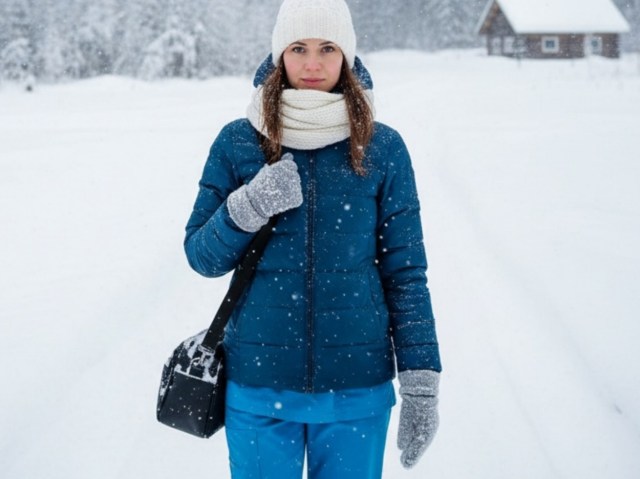
Nurses from warmer climates may need time to adjust to snow, freezing temperatures, and early sunsets. Dressing appropriately—layering, investing in a good coat, and wearing non-slip boots—can prevent discomfort and injury.
2. Transportation and Safety Concerns
Icy roads, poor visibility, and heavy snowfall can make commuting hazardous. Travel nurses should:
- Check weather forecasts daily.
- Allow extra time for commuting.
- Keep an emergency kit in the car (blankets, flashlight, scraper, snacks, water).
- Ensure their vehicle has snow tires or chains when required.
3. Adjusting to Seasonal Workloads
During the winter months, hospitals often see spikes in respiratory illnesses, influenza, and falls or fractures due to icy conditions. Nurses may encounter heavier patient loads, higher acuity levels, and longer hours.
4. Managing Isolation and Seasonal Affective Disorder
Cold climates and shorter daylight hours can contribute to Seasonal Affective Disorder (SAD) or loneliness, especially when away from family and friends. Maintaining social connections, exercising regularly, and using light therapy can help sustain emotional well-being.
“Travel nursing in winter offers exciting opportunities for professional growth, financial reward, and adventure. With preparation, adaptability, and a strong focus on self-care, nurses can not only overcome the challenges of cold-weather assignments but truly enjoy them.”
Tips for Thriving During Cold-Weather Assignments
1. Plan Ahead
Before accepting a winter assignment:
- Research the location’s typical weather conditions.
- Confirm housing arrangements—proximity to work, heating systems, and parking.
- Ask your recruiter about travel reimbursement policies for weather delays.
2. Pack Smart
Essentials for a cold-weather assignment include:
- Thermal layers, gloves, hats, and waterproof outerwear
- All-weather or snow boots
- Portable phone charger and car jumper cables
- Heated blanket or portable heater (if housing allows)
- Moisturizers and lip balm to combat dry air
3. Stay Healthy
Winter travel nursing can be physically and mentally demanding. To stay in top form:
- Get your flu vaccine and keep up with hand hygiene.
- Stay hydrated—dry indoor air increases dehydration risk.
- Eat nutritious meals and take time for rest.
- Engage in indoor physical activity or yoga to maintain energy and mood.
4. Prioritize Self-Care
Cold-weather travel nursing isn’t just about survival—it’s about thriving.
- Set boundaries around rest and downtime.
- Use light therapy to offset limited sunlight exposure.
- Stay connected with family, peers, and online nursing communities.
- Explore your new location—winter festivals, indoor attractions, or nearby ski lodges can make the experience memorable.
5. Stay Professionally Prepared
Keep copies of your license, certifications, and travel nurse documentation accessible in both digital and paper formats. Delays or emergencies can make digital backups invaluable.
Safety Tips for Winter Travel Nurses
- Keep your car’s fuel tank at least half full to prevent freezing.
- Use non-slip footwear when walking to and from work.
- Avoid driving in severe storms unless absolutely necessary.
- Know your facility’s emergency weather procedures.
- Communicate regularly with your travel nurse recruiter about travel plans and schedule adjustments.
Balancing Work and Well-Being
Winter travel assignments can be exhilarating—but they can also test endurance. Nurses who proactively manage physical and mental health often find these contracts deeply rewarding.
Engage in hobbies, practice mindfulness, and celebrate the small wins. Remember, resilience is a skill—each new environment helps strengthen it.
Travel nursing in winter offers exciting opportunities for professional growth, financial reward, and adventure. With preparation, adaptability, and a strong focus on self-care, nurses can not only overcome the challenges of cold-weather assignments but truly enjoy them.
Whether it’s your first snowy contract or your fifth, every winter brings a chance to expand your nursing experience—and your horizons.
FAQ: Travel Nursing in Winter
1. Are winter travel nurse assignments harder to find?
No—many hospitals have increased staffing needs in winter, making this a great time to secure a contract.
2. Do travel nurses get higher pay in winter?
Yes. Facilities often offer seasonal bonuses or higher hourly rates due to higher patient volumes and staffing shortages.
3. What should I pack for a winter travel nurse job?
Pack warm layers, non-slip shoes, moisture-resistant scrubs, and winter safety gear for your vehicle.
4. How do I manage homesickness during long winter assignments?
Stay connected with loved ones through video calls, join local activities, and network with other travel nurses.
5. How can travel nurses stay safe in snowy conditions?
Monitor weather updates, drive cautiously, carry emergency supplies, and always have backup transportation plans.
Resources
National Weather Service. (n.d.) Getting traction: Tips for traveling in winter weather.
https://www.weather.gov/wrn/getting_traction
Trustaff. (2024). Navigating seasonal depression as a travel nurse: Strategies and support. The
Gypsy Nurse. https://www.thegypsynurse.com/blog/navigating-seasonal-depression/
U.S. Centers for Disease Control and Prevention. (2025). Respiratory illnesses data channel.
https://www.cdc.gov/respiratory-viruses/data/index.html
Author Bio

Leslie Catalano, DNP, RN
Leslie Catalano, DNP, RN, has been a registered nurse since 2005 and spent many years as a travel nurse. She has a Doctorate in Nursing Practice and works at an Associates Degree Nursing Program at her local community college. Along with her passion for nursing and teaching, she loves writing on a variety of nursing topics, including travel nursing, educational modules, and more.
Latest Articles
- What Nurses Should Know About Adult ADHD
- Things That Go Bump on Night Shift: Nurses Share Their Spookiest Hospital Stories
- You Matter: A Reflection for National Suicide Prevention Month
- Diagnostic Error in Healthcare: Why It Happens and How to Prevent It
- Documentation That Protects Your License
Featured Course

Talking About Suicide: New Language from Social Media and Current Guidelines N598
Free Course

Drug Diversion Training
Most Popular
Unlimited
- Perfect for RNs, LPNs, and LVNs
- A full year of unlimited CE
- Save over $150*
- Instant access to all courses
- Instant access to certificates
- CE Broker reporting included
- Take CE on any device
- No tests required in most states1
$59.00 / yearAdd to Cart
Join Our Mailing List
Get news, perspectives, special offers, new course alerts, and renewal date reminders straight to your inbox. Join our mailing list to stay up to date on what’s happening at NurseCE4Less and make sure you never miss a deadline!