Preparing for Infectious Disease Outbreaks: A Nurse’s Guide to Staying Ready and Resilient
As a nurse, you know that no two days are alike—and that readiness is everything. From flu seasons to unexpected global pandemics, infectious disease outbreaks have the potential to test healthcare systems and frontline staff like never before. That’s why being prepared isn’t just helpful—it’s essential.
In this guide, we’ll walk through what every nurse needs to know about infectious disease outbreaks, how to strengthen your disease outbreak preparedness, and where to find the best continuing education to support your readiness and resilience.
Understanding Infectious Disease Outbreaks
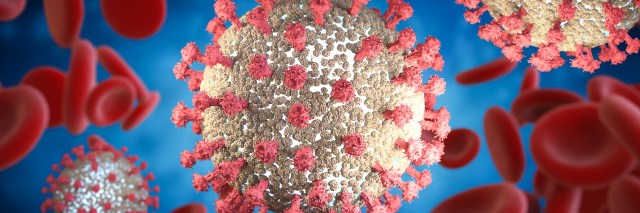
Infectious disease outbreaks occur when a disease rapidly spreads within a population, often catching both healthcare systems and communities off guard. Unlike isolated cases, outbreaks indicate a significant spike in illness—sometimes escalating to epidemics or pandemics, like COVID-19.
Common causes include:
- Viral agents (e.g., influenza, norovirus, coronavirus)
- Bacterial infections (e.g., MRSA, tuberculosis)
- Zoonotic diseases (e.g., monkeypox, avian flu)
Nurses are often among the first to recognize the early signs of an outbreak. Our close interaction with patients and families makes us key players in detecting unusual symptoms, escalating concerns, and implementing critical responses.
The Importance of Disease Outbreak Preparedness in Nursing
Disease outbreak preparedness isn’t just a public health concern—it’s a nursing priority. During the initial wave of COVID-19, healthcare workers faced immense challenges, from PPE shortages to unclear protocols. These struggles highlighted the importance of preparation, communication, and education.
Being prepared helps nurses:
- Act quickly and confidently during a crisis
- Protect themselves and their colleagues
- Educate patients and reduce panic
- Improve patient outcomes during large-scale health events
Whether you’re working in acute care, public health, or long-term care, your role in disease outbreak preparedness is crucial.
“Preparation is more than a checklist—it’s a mindset. As nurses, our role in infectious disease outbreaks is critical. The more we invest in disease outbreak preparedness, the better we serve our patients, teams, and communities”
Practical Steps for Disease Outbreak Preparedness
There’s no one-size-fits-all approach, but there are tried-and-true strategies nurses can adopt for strong disease outbreak preparedness.
A. Create and Practice a Response Plan
Start with your facility’s emergency preparedness protocols:
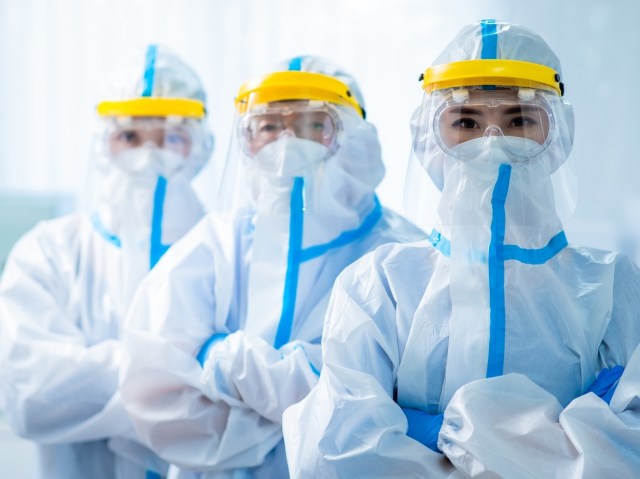
- Know where to find PPE and how to use it correctly
- Understand triage and isolation procedures
- Get familiar with your hospital’s chain of command during a health emergency
Regular drills and tabletop exercises can sharpen your response skills.
B. Stay Informed and Educated
Outbreaks move fast, and so should your knowledge. Subscribe to updates from reputable sources like:
C. Communication and Collaboration
Nurses are natural communicators—use that skill to your advantage. During a crisis, clear communication with interdisciplinary teams, patients, and families can prevent misinformation and reduce stress. Be the calm, informed presence patients trust.
Infection Control Measures for Nurses
In the face of infectious disease outbreaks, infection control becomes your first line of defense. Here’s what to keep top-of-mind:
- PPE Protocols: Don and doff correctly—every time
- Isolation & Cohorting: Understand how and when to separate patients
- Hand Hygiene: Still one of the most effective methods to reduce transmission
- Vaccination: Stay current on your immunizations and encourage others to do the same
- Environmental Controls: Disinfect surfaces frequently and ensure good air circulation
During infectious disease outbreaks, nurses who model and enforce infection control measures help protect entire units from further spread.
Continuing Education and Resources for Preparedness
Want to go beyond the basics? Continuing education can deepen your knowledge and help you feel more confident during future outbreaks.
Here are three relevant courses for disease outbreak preparedness you can start exploring:
- Coronavirus Disease 2019: Cardiovascular Complications R462B
- Methicillin-Resistant Staphylococcus Aureus Infections (MRSA): Diagnosis and Treatment R069D
- Tick-borne Diseases R439B
From infection control protocols to emerging disease awareness, these courses are designed with nurses in mind and can be completed online, on your schedule.
Frequently Asked Questions
1. What should I do first to prepare for an infectious disease outbreak?
Start by reviewing your facility’s response plan, checking your PPE skills, and ensuring you’re subscribed to reliable sources like the CDC and WHO for updates.
2. How often should nurses receive outbreak preparedness training?
At minimum, annually. However, training should also occur whenever new protocols are introduced or if your role or unit changes.
3. Which diseases are considered high-risk for future outbreaks?
Diseases like influenza, COVID-19 variants, Ebola, and zoonotic viruses (like avian flu) are constantly monitored by global health organizations due to their potential to spread rapidly.
4. Are there free CEUs available for outbreak preparedness?
Yes! NurseCE4Less occasionally offers free or discounted courses on infectious disease outbreaks and emergency preparedness.
5. What is the nurse’s role during a major infectious disease outbreak?
Nurses assess, triage, educate, treat, and protect patients. You’re often the first responder and last line of defense—your actions can save lives and control spread.
Final Thoughts
Preparation is more than a checklist—it’s a mindset. As nurses, our role in infectious disease outbreaks is critical. The more we invest in disease outbreak preparedness, the better we serve our patients, teams, and communities.
Whether you’re brushing up on PPE protocols, taking a CEU course, or leading a unit drill, every step toward preparedness counts. And remember: resilience doesn’t happen in the moment of crisis—it’s built long before it.
Ready to learn more? Start by exploring CEUs on NurseCE4Less. Your preparation today can make all the difference tomorrow.
References
Anderson, M., & Beach, M. (2022). Nursing During a Disaster Starts With Education. AACN Advanced Critical Care, 33(4), 360–367. https://doi.org/10.4037/aacnacc2022966
U.S. Centers for Disease Control and Prevention. (n.d.). Emergency Preparedness and Response. CDC Emergency Preparedness and Response. Retrieved August 10, 2025, from https://www.cdc.gov/emergency/index.html World Health Organization. (2025). Emergencies. Www.who.int. https://www.who.int/emergencies/overview
Author Bio

Elissa Singson, MSN, APRN, PHN, CPNP-AC is an infectious disease pediatric nurse practitioner, medical aesthetic provider, health writer, and mother of two. She writes content to empower healthcare professionals, patients, and families with health and medical knowledge. She also loves to share tips on work productivity and efficiency to prevent healthcare provider burnout.
Latest Articles
- What Nurses Should Know About Adult ADHD
- Things That Go Bump on Night Shift: Nurses Share Their Spookiest Hospital Stories
- You Matter: A Reflection for National Suicide Prevention Month
- Diagnostic Error in Healthcare: Why It Happens and How to Prevent It
- Documentation That Protects Your License
Featured Course

Talking About Suicide: New Language from Social Media and Current Guidelines N598
Free Course

Drug Diversion Training
Most Popular
Unlimited
- Perfect for RNs, LPNs, and LVNs
- A full year of unlimited CE
- Save over $150*
- Instant access to all courses
- Instant access to certificates
- CE Broker reporting included
- Take CE on any device
- No tests required in most states1
$59.00 / yearAdd to Cart
Join Our Mailing List
Get news, perspectives, special offers, new course alerts, and renewal date reminders straight to your inbox. Join our mailing list to stay up to date on what’s happening at NurseCE4Less and make sure you never miss a deadline!