
Course Summary
Expiration Date: 07/14/2028
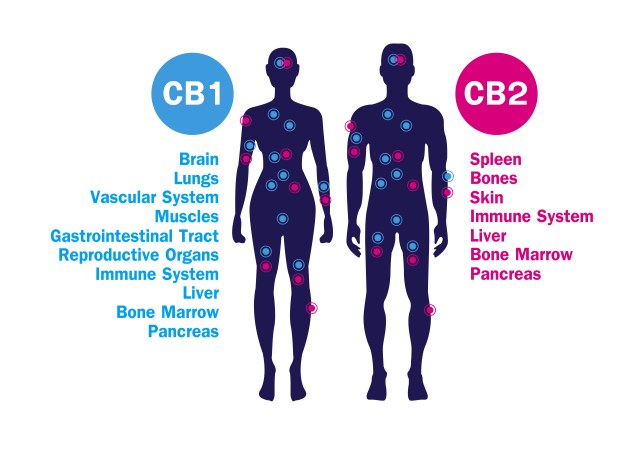
Synthetic cannabinoids represent a structurally diverse class of compounds targeting the endocannabinoid system through CB₁ and CB₂ receptor modulation. While certain agents, such as dronabinol and nabilone, are FDA-approved for chemotherapy-induced nausea and appetite stimulation, ongoing research is exploring their potential role in pain management, neurodegenerative disorders, oncology, metabolic diseases, and inflammatory conditions. Many synthetic cannabinoids exhibit high receptor potency and full agonist activity, contributing both to therapeutic potential and significant safety risks, particularly with unregulated formulations. Emerging studies highlight the importance of receptor selectivity, dosing strategies, and pharmacovigilance to optimize clinical benefit while minimizing toxicity.
Course Format
Homestudy
Course Syllabus
- Introduction
- Synthetic Cannabinoid Pharmacology
- Illicit Synthetic Cannabinoids: Abuse and Toxicity
- Therapeutic Potential of Synthetic Cannabinoids
- Chemotherapy-Induced Nausea and Appetite Stimulation
- Pain Management
- Neurodegenerative and Neuropsychiatric Disorders
- Oncology and Anticancer Potential
- Metabolic Disorders and Obesity
- Inflammatory and Autoimmune Diseases
- Epilepsy and Seizure Disorders
- Safety, Adverse Effects, and Clinical Considerations
- Ethical and Regulatory Implications
- RX JOURNAL CLUB: CANNABINOIDS IN CHRONIC PAIN
- Study Objective
- Methods
- Key Findings
- Treatment Summary
- Journal Club Conclusion
- Summary
Authors
Richard Daniels, PharmD, BCPS
Richard “Cole” Daniels earned his Doctor of Pharmacy(PharmD) from the Skaggs School of Pharmacy at the University of Montana in 2018. Throughout pharmacy school he completed a 3-year internship at Community Medical Center in Missoula, Montana in which he gained valuable experience in an acute care setting. Cole currently serves as a psychiatric clinical staff pharmacist at the Montana State Hospital. He has over 11 years of pharmacy experience having worked in several settings including retail, acute care, and inpatient psychiatric care. Cole has a diverse set of interests. However, acute care medicine, infectious disease, pain management, and asthma/COPD are a primary focus of his at the Montana State Hospital. He obtained board certification as a certified pharmacotherapy specialist in the Spring of 2022.
Elisabeth Gordon, BScPharm, RPh
Elisabeth Gordon earned her BSc(Pharm) from the University of British Columbia in 2004. After graduation, she worked in community retail pharmacies on Vancouver Island, before returning to her rural hometown of Salmon Arm. In 2016 and 2017, Elisabeth trained with Pallium Canada and Victoria Hospice to enhance her knowledge of end-of-life-care and palliative services. She is a volunteer medical supervisor for T1DOutreach, a peer support platform for adults living with type 1 diabetes, and a member of a Canadian peer support group for adults living with Birdshot Uveitis. Elisabeth enjoys working in a small, fast-paced rural pharmacy where she brings compassion and empathy to her everyday practice.