Course Summary
Expiration Date: 10/17/2028
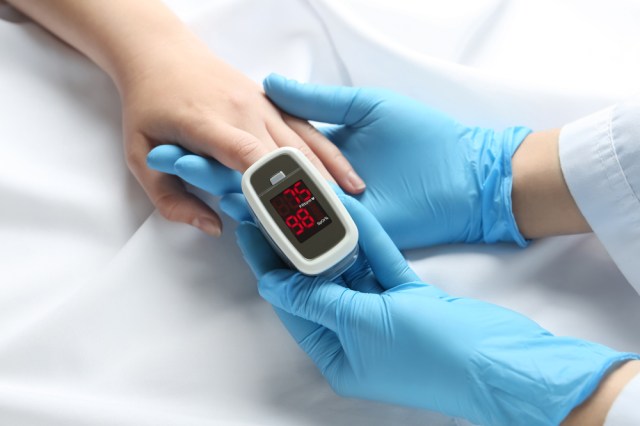
Pulse oximetry is a widely used, non-invasive method for measuring hemoglobin oxygen saturation, with clinical applications for various conditions like Acute Respiratory Distress Syndrome, Chronic Obstructive Pulmonary Disease, COVID-19, heart failure, and pediatric conditions. While it is generally safe and effective, clinicians must be aware of its limitations and potential inaccuracies. To ensure correct, effective, and safe performance of pulse oximetry, clinicians should follow specific guidelines. These include proper probe placement, understanding and documenting baseline SpO2 and trends, determining the cause of false alarms, and recognizing the dangers of both hypoxemia and hyperoxemia. While consumer-grade oximeters are available, they do not meet the same accuracy standards as medical-grade devices and are not intended for medical diagnoses. Despite its ease of use, pulse oximetry must always be interpreted within the full clinical context of the patient.
Course Format
Homestudy
Course Syllabus
- Introduction
- History of Pulse Oximetry Use
- How Does Pulse Oximetry Work?
- Clinical Uses of Pulse Oximetry
- Adult Respiratory Distress Syndrome
- Chronic Obstructive Pulmonary Disease
- Coronavirus Disease 2019
- Heart Failure
- Pediatric Care
- Congenital Heart Disease Screening
- Retinopathy of Prematurity
- Bronchial Dysplasia
- Pulse Oximetry: Limitations and Inaccuracies
- ABG or Pulse Oximetry?
- Accuracy of Readings and Trends
- Consumer Grade Pulse Oximeters
- Adverse Effects and Cautions of Pulse Oximetry Use
- Pulse Oximetry Lag Time
- Correct and Safe Performance
- Summary
Author
Dana Bartlett, RN, BSN, MSN, MA, CSPI
Dana Bartlett is a professional nurse and author. His clinical experience includes 16 years of ICU and ER experience and over 27 years as a poison control center information specialist. Dana has published numerous CE and journal articles, written NCLEX material, textbook chapters, and more than 100 online CE articles, and done editing and reviewing for publishers such as Elsevier, Lippincott, and Thieme. He has written widely on the subject of toxicology and was a contributing editor, toxicology section, for Critical Care Nurse journal. He is currently employed at the Connecticut Poison Control Center. He lives in Wappingers Falls, NY.