Course Summary
Expiration Date: 08/08/2028
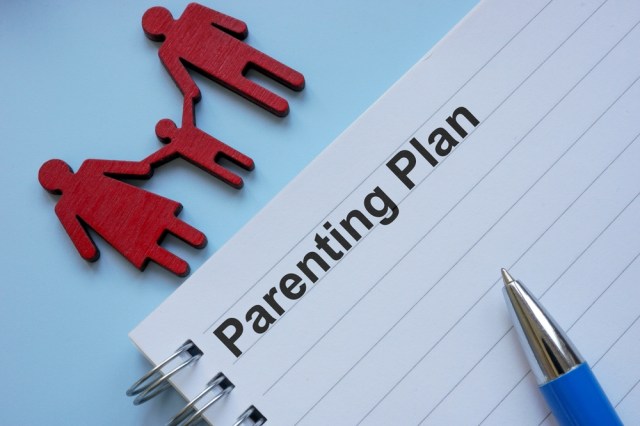
Parallel parenting is a strategy for high-conflict separations or divorces, used when traditional co-parenting is ineffective or harmful. It minimizes direct parental interaction and communication, establishing clear boundaries and separate responsibilities. This approach is suitable when there is significant hostility, communication breakdown, safety concerns, or differing parenting styles. By using detailed schedules, specific decision-making guidelines, and structured communication, parallel parenting creates a more stable and emotionally safe environment for children while maintaining both parents’ involvement. The abstract explores its key elements, benefits in reducing conflict, and positive impact on children’s well-being.
Course Format
Homestudy
Course Syllabus
- Introduction: The Therapy Challenge
- What Is Parallel Parenting?
- Setting Boundaries in High-Conflict Co-Parenting
- Parallel Parenting Strategies to Reduce Parental Conflict
- Key Elements of a Parallel Parenting Plan
- Case Study: Kathy and Mark
- The Family Court’s Solution
- Benefits of Parallel Parenting
- Takeaway Points for Health Clinicians and Therapists
Authors
Susan Depasquale, MA, MSN, PMHNP-BC
Susan DePasquale is a board certified Psychiatric Mental Health Nurse Practitioner. Her current practice is with families, youth and adults who have mental illnesses in both inpatient and outpatient settings, including telepsychiatry for Montana, Washington and Wisconsin communities. She completed her Masters of Art in Political Science at the University of Victoria, British Columbia, Masters of Science in Nursing at Seattle Pacific University in Seattle, Washington with a focus in neurogastroenterology and the Post-Masters of Science in Nursing at the Montana State University in Bozeman, Montana with a focus in psychiatry. She has worked with small and rural healthcare teams in British Columbia and the Northwest Territories, Canada, and in teaching and research hospitals such as Providence Health and Virginia Mason Medical Center Digestive and Liver Disease Departments in Seattle. Since 2012, she has been actively involved in online continuing education program development for nurses and health teams.
William Cook, PhD
William Cook, Ph.D. is a licensed psychologist who worked for 15 years in private practice in Montana before leaving his practice to work full time as the Director of CE4Less. He earned his doctorate degree from Texas A&M University, and focused much of his psychology practice in the area of child and family counseling, as well as psychological testing. Dr. Cook likes new challenges, foreign traveling to Africa and areas of Europe and the near East, scuba diving, running, music, and spending time with his family.