
Course Summary
Expiration Date: 08/25/2029
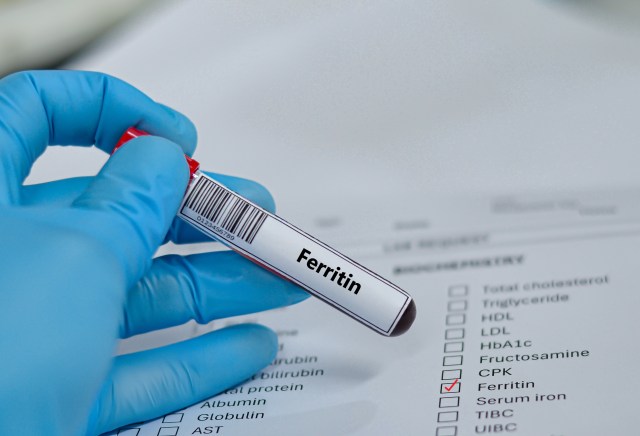
Low ferritin is a common yet frequently underrecognized clinical finding with significant implications for patient health and quality of life. This learning activity explores the physiologic role of iron and ferritin, common causes and risk factors for low ferritin, clinical manifestations across the lifespan, and evidence-based approaches to evaluation and management. Emphasis is placed on early identification, appropriate interpretation of laboratory results, patient education, and interprofessional collaboration.
Course Format
Homestudy
Course Syllabus
- Introduction
- Iron Physiology and the Role of Ferritin
- Defining Low Ferritin: Thresholds and Interpretation
- Common Causes and Risk Factors for Low Ferritin
- Clinical Manifestations of Low Ferritin
- Diagnostic Evaluation and Workup
- Management Strategies: Treating Low Ferritin
- Special Populations and Clinical Considerations
- Documentation, Patient Education, and Interprofessional Care
- Key Takeaway Points
Author
Sarah Schulze, MSN, APRN, CPNP
Sarah Schulze is a board certified pediatric nurse practitioner and professional medical content writer. She earned her BSN from Indiana State University and her MSN from University of Illinois at Chicago. In clinical practice as an RN and NP, she has experience in a variety of settings; including critical care, PACU, pediatrics, mental health, and lactation support. She currently owns and operates a private practice providing outpatient mental health services to children and adolescents. As a writer, she has developed content for many CEU courses, medical apps, health education curricula, NCLEX study materials, health blogs, and more.