
Course Summary
Expiration Date: 02/26/2029
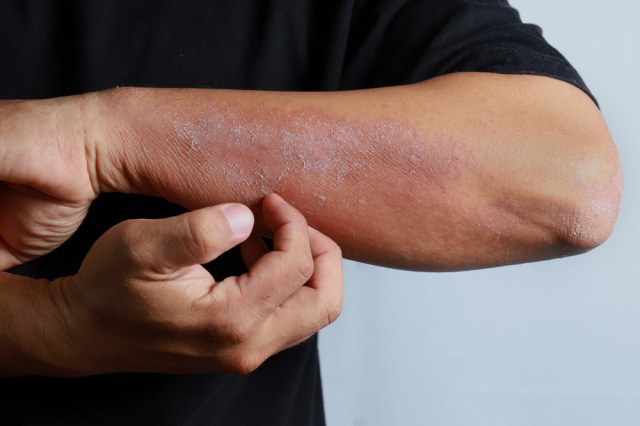
Atopic dermatitis (AD) is a chronic, relapsing inflammatory skin disease driven by a combination of barrier dysfunction, immune dysregulation, microbial imbalance, and neuroimmune pathways. This activity reviews the epidemiology, pathophysiology, risk factors, and disease course, followed by practical, guideline-aligned management strategies. Core topics include moisturization and barrier repair, topical corticosteroids and calcineurin inhibitors, wet-wrap therapy, phototherapy, antimicrobial stewardship, and dietary/allergen considerations. Modern systemic therapies, biologics, and JAK inhibitors are highlighted, with attention to efficacy, safety, and their place in therapy. Additional emphasis is placed on individualized care, health equity, maintenance strategies, and special considerations such as allergen immunotherapy and pediatric Hyper-IgE syndrome.
Course Format
Homestudy
Course Syllabus
- Introduction
- Prevalence and Societal Impact of Atopic Dermatitis
- Pathophysiology and Disease Course of Atopic Dermatitis
- Risk Factors for Atopic Dermatitis
- Genetic and Familial Factors
- Immune Predisposition
- Environmental and Lifestyle Factors
- Perinatal and Early-Life Factors
- Microbial and Psychological Factors
- Socioeconomic and Ethnic Influences
- Clinical Management of Atopic Dermatitis: Topical, Systemic, and Supportive Approaches
- Education, Trigger Control, and Moisturization
- Topical corticosteroids
- Classification of Topical Corticosteroids by Potency
- Use Strategies and Treatment Duration
- Risks and Adverse Effects of Long-Term or Inappropriate Use
- Pediatric and Behavioral Considerations
- Clinical Best Practices for Safe Use
- Topical calcineurin inhibitors
- Topical Phosphodiesterase 4 (PDE4) Inhibitors: Crisaborole and Roflumilast
- Topical Janus Kinase Inhibitors: Ruxolitinib
- Wet Wrap Therapy
- Antimicrobials, Antiseptics, and Bleach Baths
- Diet and Allergen Strategies
- Phototherapy
- Conventional Systemic Immunosuppressants
- Systemic Corticosteroids
- Modern Systemic Therapy for Atopic Dermatitis (AD)
- Biologic Therapies
- Janus Kinase (JAK) Inhibitors
- Allergen Immunotherapy in Atopic Dermatitis
- Clinical Pearls: Key Treatment Considerations for AD
- CASE SERIES: DUPILUMAB IN PEDIATRIC HYPER-IgE SYNDROME
- Background
- Case 1
- Case 2
- Case 3
- Summary
Authors
Richard Daniels, PharmD, BCPS
Richard “Cole” Daniels earned his Doctor of Pharmacy(PharmD) from the Skaggs School of Pharmacy at the University of Montana in 2018. Throughout pharmacy school he completed a 3-year internship at Community Medical Center in Missoula, Montana in which he gained valuable experience in an acute care setting. Cole currently serves as a psychiatric clinical staff pharmacist at the Montana State Hospital. He has over 11 years of pharmacy experience having worked in several settings including retail, acute care, and inpatient psychiatric care. Cole has a diverse set of interests. However, acute care medicine, infectious disease, pain management, and asthma/COPD are a primary focus of his at the Montana State Hospital. He obtained board certification as a certified pharmacotherapy specialist in the Spring of 2022.
Elisabeth Gordon, BScPharm, RPh
Elisabeth Gordon earned her BSc(Pharm) from the University of British Columbia in 2004. After graduation, she worked in community retail pharmacies on Vancouver Island, before returning to her rural hometown of Salmon Arm. In 2016 and 2017, Elisabeth trained with Pallium Canada and Victoria Hospice to enhance her knowledge of end-of-life-care and palliative services. She is a volunteer medical supervisor for T1DOutreach, a peer support platform for adults living with type 1 diabetes, and a member of a Canadian peer support group for adults living with Birdshot Uveitis. Elisabeth enjoys working in a small, fast-paced rural pharmacy where she brings compassion and empathy to her everyday practice.