
Course Summary
Expiration Date: 08/25/2029
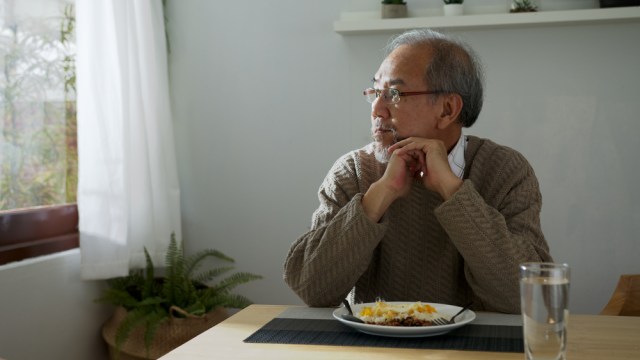
Seasonal depression, commonly referred to as Seasonal Affective Disorder, is a recurrent mood disorder characterized by predictable seasonal patterns of depressive symptoms, most often emerging during fall and winter months. Despite its prevalence and significant impact on functioning, seasonal depression remains underrecognized and variably treated in clinical practice. This continuing education activity examines the biological, psychological, and environmental mechanisms underlying seasonal depression and reviews evidence-based therapeutic interventions, including light therapy, psychotherapy, pharmacologic treatment, and preventive strategies.
Course Format
Homestudy
Course Syllabus
- Introduction
- Understanding Seasonal Depression
- Epidemiology and Risk Factors
- Pathophysiology: Biological and Psychosocial Mechanisms
- Clinical Presentation and Diagnostic Considerations
- Light Therapy: Mechanisms and Clinical Application
- Psychotherapy and Cognitive-Behavioral Approaches
- Pharmacologic Treatment Strategies
- Combined and Multimodal Treatment Approaches
- Lifestyle Interventions and Adjunctive Strategies
- Prevention and Long-Term Management
- Ethical and Clinical Considerations
- Key Takeaway Points
Authors
Sarah Schulze, MSN, APRN, CPNP
Sarah Schulze is a board certified pediatric nurse practitioner and professional medical content writer. She earned her BSN from Indiana State University and her MSN from University of Illinois at Chicago. In clinical practice as an RN and NP, she has experience in a variety of settings; including critical care, PACU, pediatrics, mental health, and lactation support. She currently owns and operates a private practice providing outpatient mental health services to children and adolescents. As a writer, she has developed content for many CEU courses, medical apps, health education curricula, NCLEX study materials, health blogs, and more.
William Cook, PhD
William Cook, Ph.D. is a licensed psychologist who worked for 15 years in private practice in Montana before leaving his practice to work full time as the Director of CE4Less. He earned his doctorate degree from Texas A&M University, and focused much of his psychology practice in the area of child and family counseling, as well as psychological testing. Dr. Cook likes new challenges, foreign traveling to Africa and areas of Europe and the near East, scuba diving, running, music, and spending time with his family.